














Specialized Speech Therapy for Children with Complex Communication Needs
Is This the Right Fit?
- Have few or no spoken words at or after age three
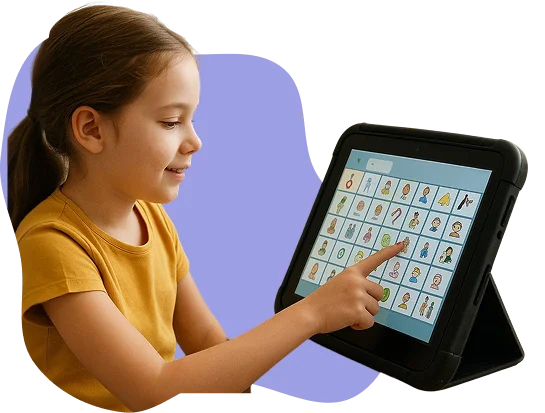
- Use AAC or may benefit from a speech-generating device
- Have emerging vocal speech, but it remains limited despite speech and ABA support
- Are difficult to understand due to articulation or intelligibility challenges
- Get frustrated when they can’t say what they want to say
- Are between the ages of 3–18
- AAC and vocal speech as complementary tools
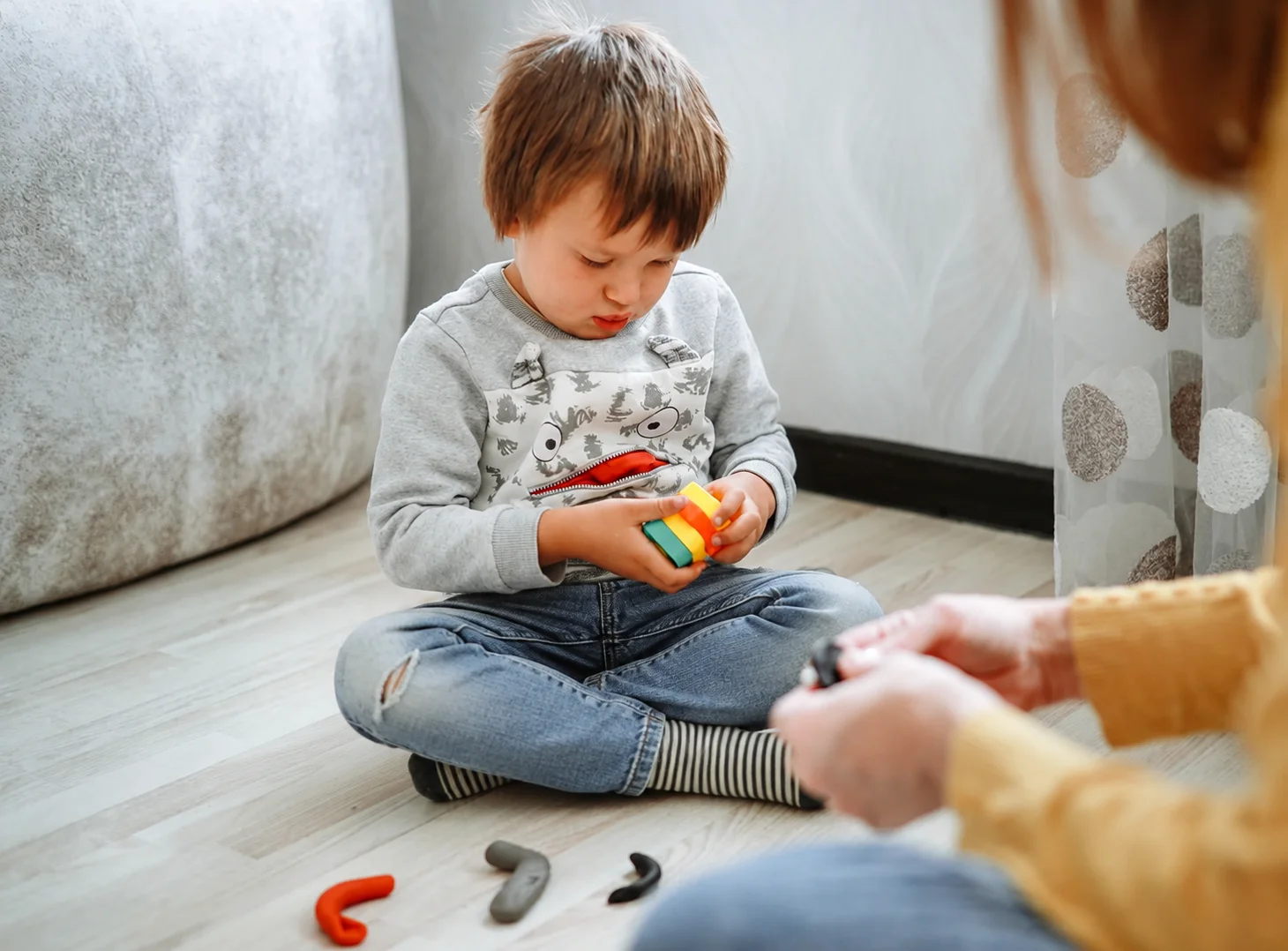
- Play and literacy as meaningful learning contexts
- Systematic teaching grounded in learning science
- Real data, taken frequently, to inform decisions, so we don’t waste time
This approach leads to steady, meaningful progress for children and gives families clarity about what is being taught and why.
What Makes IS&B Different
We’re not generalists.
We are a team of behaviorally informed Speech-Language Pathologists who share one clear mission: to expand what is possible for children who are non-speaking or minimally verbal.
We are committed to helping every child build a joyful, personally expressed life. One shaped by genuine relationships, meaningful and effective intervention, and thoughtfully chosen technology.
Our clinical experience spans speech-language pathology and applied behavior analysis, allowing us to teach communication using evidence-based methods grounded in how children actually learn. We work closely with families, school teams, OTs and ABA teams, combining perspectives and strategies to create cohesive, individualized plans that support communication, independence, self-advocacy, and meaningful social connection.
Our therapy is intentional and individualized. Skills are broken into small, achievable steps and taught with purpose, building toward real mastery over time. We focus on progress that shows up in daily life, not just in therapy sessions.
Where Therapy Happens
- In your home, based on therapist availability in your part of town (keeping in mind, we’re a small team)
- In partnered ABA centers across the Front Range
- Through teletherapy or consultation, when in-person services aren’t the right fit
Most children are seen twice per week, allowing skills and the relationship to build trust with consistent intervention.
How We Approach Communication
AAC as a tool for Teaching
AAC does not replace speech. It supports it.
AAC provides children with a reliable way to communicate while speech develops at its own pace. When frustration decreases and communication improves, many children become more motivated to use their voices.
We introduce AAC early when it’s needed, because communication should never be something a child has to wait for.
What Families Can Expect
- Therapy that is thoughtful and individualized
- Small, achievable goals that build toward mastery
- Collaboration with families, schools, other providers, and ABA teams
- Clear communication about progress and next steps in close collaboration with ABA teams
- A team that genuinely cares about your child and your family
We’re committed to helping every child build a joyful, personally expressed life.
A Few Words From the People We Work With


Ready to Talk?
If you’re wondering whether this approach is right for your child, we’re happy to help you think it through.